
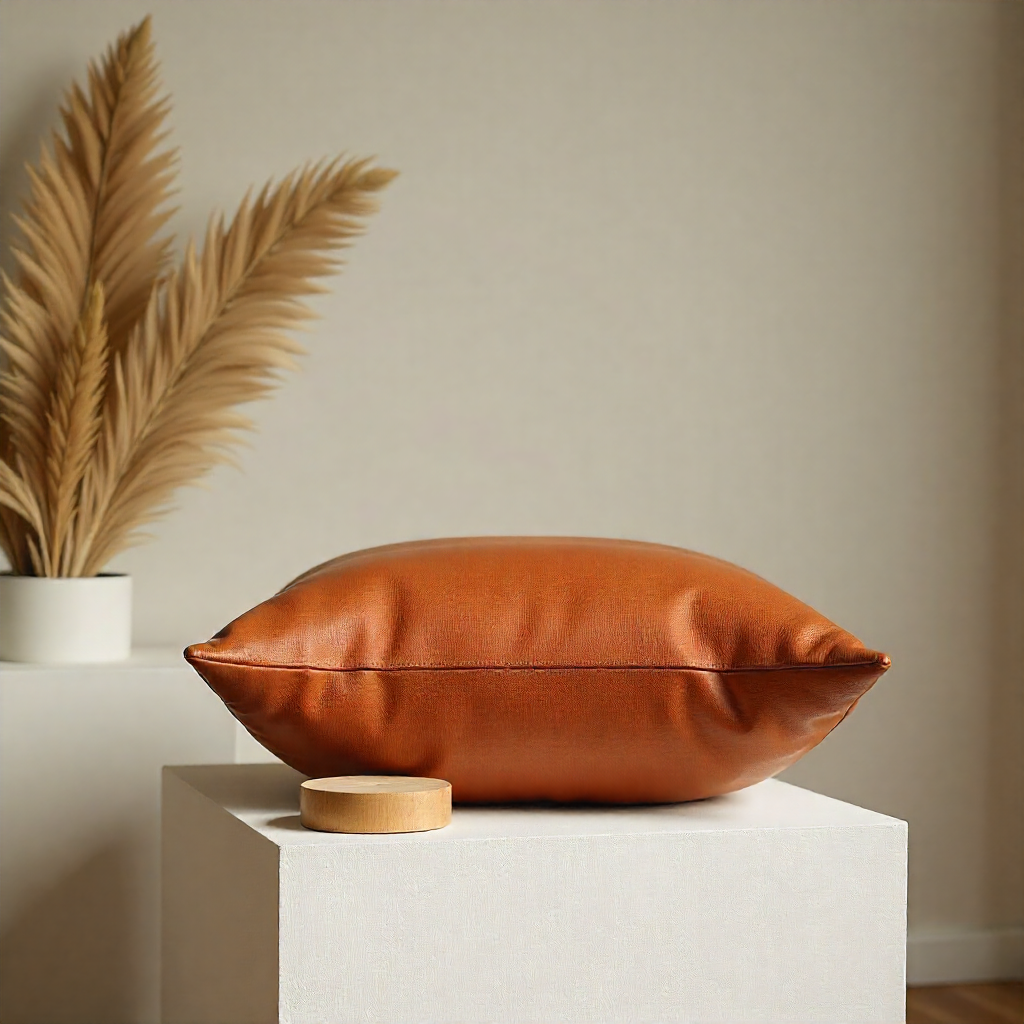
The Tanning Explained: How We Get Our Rich, Durable Colors
Published: December 1, 2025
Have you ever wondered how a raw animal hide transforms into a rich, vibrant leather bag that maintains its beautiful color for decades? Or why some leather develops that stunning patina while others fade and crack within months? The answer lies in two ancient yet evolving processes: tanning and dyeing.
Today, we’re diving deep into the fascinating chemistry and artistry behind leather color. This isn’t just about making leather pretty—it’s about creating something that lasts, ages gracefully, and tells a story through its evolving hues.
The Foundation: Understanding What Tanning Really Does
Before we can talk about color, we need to understand tanning itself. The word “tanning” comes from ‘tannum,’ the Latin word for oak bark, connecting us to centuries-old traditions that still influence modern leather making.
The Molecular Transformation
At its core, tanning agents such as chromium salts, vegetable extracts, and synthetic tanning agents are essential for converting raw hides and skins into durable and stable leather materials with desired properties such as softness, flexibility, and resistance to heat and moisture.
Think of untanned hide as fresh fruit—it will decompose quickly without intervention. Tanning completely rewrites the hide’s molecular structure at the protein level, transforming collagen fibers into something stable, durable, and receptive to color. This stabilization is what makes leather leather, rather than just processed skin.
Two Paths, Two Color Outcomes
The tanning method you choose fundamentally affects how color behaves in the final product.
Vegetable Tanning: Nature’s Canvas
Vegetable tanning incorporates plant extracts from around the globe, including natural ingredients like quebracho and mimosa, through a meticulous multi-day processing method. This ancient technique uses tannins from tree bark, leaves, and fruits—natural substances rich in polyphenols that bond beautifully with collagen.
Why It Matters for Color: Vegetable-tanned leather has a naturally warm, brown base tone that provides depth to any dye color applied. The porous structure created by vegetable tanning allows dyes to penetrate deeply and evenly, creating rich, saturated colors that age beautifully rather than simply fading.
The process takes months but creates leather with incredible depth. When you dye vegetable-tanned leather, the color doesn’t just sit on the surface—it becomes part of the leather itself.
Chrome Tanning: Modern Efficiency
About 85% of all leather today gets chrome-tanned, using chromium ions that create permanent cross-links between collagen proteins over 8-12 hours. This efficient method creates leather that’s incredibly receptive to a wide range of dyes and finishes.
Color Advantages: Chrome-tanned leather accepts dyes with exceptional clarity and brightness. The chromium creates a neutral base that allows for vibrant, true-to-shade colors without the warm undertones of vegetable tanning. This is why chrome-tanned leather can achieve those brilliant jewel tones—electric blues, vivid reds, and pure blacks.
The Trade-Off: While chrome-tanned leather can be dyed in spectacular colors, it doesn’t develop the same rich patina as vegetable-tanned leather. The colors remain more static over time rather than evolving into something even more beautiful.
The Color Revolution: How Dyes Transform Leather
Once leather is tanned, the real artistry begins. Dyes play a crucial role in adding color and aesthetic appeal to textiles, offering a wide range of shades, tones, and effects for different applications.
Understanding Leather Dyeing Chemistry
Leather is rich in type 1 collagen proteins, which provide a unique canvas for dye binding. The collagen’s triple-helix structure creates ample opportunities for chemical interaction between dye and protein molecules.
When dye molecules bond strongly with collagen proteins, they become locked into the leather’s structure, creating colors that last. Weak bonding results in dyes that bleed, fade, or rub off—the hallmark of cheap leather goods.
Three Approaches to Leather Color
In the leather industry, there are three main finishing techniques, each creating different visual and performance characteristics.
1. Aniline Dyeing: Transparent Beauty
Aniline leather is dyed exclusively with soluble dyes that color the leather without producing the uniform surface of a topcoat paint or insoluble pigmented sealant, retaining the hide’s natural surface.
The Process: The leather is immersed in vats of transparent aniline dyes mixed with oils, which soak deep into the fiber structure. The dye colors the leather throughout while allowing every natural mark, pore, and grain pattern to remain visible.
The Result: Aniline-dyed leather has an authentic and natural look with a soft and pleasant texture. Like staining wood with transparent stain, you can see the grain and character beneath the color. This creates depth and visual richness that can’t be achieved any other way.
Color Characteristics:
- Rich, deep color saturation
- Natural grain and markings remain visible
- Develops beautiful patina over time
- Absorbs body oils and darkens with age
- Most luxurious appearance
The Premium Factor: Only the highest quality full-grain leather is suitable for aniline finishing because every imperfection will show. This transparency effect is similar to colored wood—the color enhances rather than conceals natural beauty.
Maintenance Note: Aniline leather stains and marks easily since there’s no protective coating. However, many premium aniline leathers are waxed or oiled to provide more natural stain resistance while maintaining breathability.
2. Semi-Aniline: The Best of Both Worlds
After the leather is aniline dyed, a slight protective coating which can contain some additional pigmentation is applied to the top of the hide to guarantee a consistent color.
The Process: The leather starts with transparent aniline dyes penetrating throughout, then receives a thin protective topcoat with slight pigmentation. This process conceals some blemishes while maintaining much of the leather’s natural character.
The Result: Semi-aniline leather balances natural beauty with practical durability. You still see grain patterns and natural characteristics, but the protective coating makes it more resistant to stains and wear. This makes semi-aniline more affordable and lower maintenance than full aniline while retaining considerable character.
Color Advantages:
- More consistent color than aniline
- Still develops patina (though less pronounced)
- Better stain resistance
- Wider range of achievable colors
- More forgiving of quality variations
3. Pigmented (Protected) Leather: Maximum Durability
The surface is coated with a heavy protective topcoat which includes pigmentation, and any blemishes or imperfections are removed through buffing or sanding, then embossed with an artificial grain.
The Process: Unlike the transparent dyeing methods, pigmented leather uses opaque pigments that sit on the surface rather than penetrating throughout. Think paint rather than stain—it covers everything beneath it.
The Result: Pigmented leather is the most durable and least natural-looking of the three types. At the expense of deep rich color and luxurious feel, pigmented leathers are treated with spray coating which makes them more durable.
Color Benefits:
- Extremely consistent color
- Highly fade-resistant
- Easy to maintain
- Wide color options including metallics
- Best stain resistance
The Trade-Off: Pigmented leather won’t develop authentic patina, and the colors remain static over time. The protective coating also reduces breathability and the natural feel of leather.
The 2025 Color Revolution: Sustainability Meets Innovation
The leather industry is experiencing dramatic transformation in 2025, driven by environmental concerns and technological breakthroughs. The global market for tanning and dyeing chemicals was estimated at $5.4 billion in 2023 and is projected to reach $8.9 billion by 2030.
The Push Toward Eco-Friendly Dyeing
Regulatory pressures and consumer awareness regarding the environmental footprint of traditional chemicals have encouraged manufacturers to invest in green chemistry innovations, such as plant-based dyes, non-toxic tanning agents, and waterless dyeing technologies.
Natural Dye Renaissance
There’s exciting resurgence in natural dyes for leather. Craftspeople achieve bright pinks from cochineal, bright reds from madder root, beautiful purples from logwood, and amazing yellows from onion skins, coreopsis, and eucalyptus.
These natural dyes create colors similar to synthetic options while offering:
- Reduced environmental impact
- No toxic chemical residues
- Unique, organic color variations
- Connection to traditional methods
- Marketable sustainability story
Revolutionary Integration Technologies
Cutting-edge research has developed novel approaches that combine tanning and dyeing into single processes. Natural cochineal carmine can be converted into a coloring agent with tanning effects to produce high-performance colored eco-leathers.
This integration strategy offers:
- Significant water savings
- Reduced processing time
- Lower energy consumption
- Simplified production workflow
- Maintained color quality and durability
Advanced Color Technologies
Analyses of modern dyeing processes demonstrate excellent penetration of the leather substrate and near complete exhaustion and fixation of reactive colourants, leading to excellent color strength with superior fastness performance.
What This Means: Today’s dyeing technologies achieve better color retention, deeper penetration, and superior lightfastness compared to traditional methods. The colors last longer, resist fading better, and maintain vibrancy through years of use.
Our Dyeing Process: From Crust to Color
Let me walk you through how we transform tanned leather into the rich, colored materials that become your favorite bags, belts, and accessories.
Step 1: Preparation (The Blank Canvas)
Once the hide is tanned, it is called “crust”—leather that has been bleached white in preparation to create a blank canvas for coloring.
This neutralization step is crucial. Any remaining tanning chemicals, oils, or impurities must be removed because they’ll interfere with dye absorption. The leather is thoroughly cleaned and prepared to ensure even, consistent color uptake.
Critical Factors:
- The hide is treated from the moment it’s received, which can affect the collagen’s structure and charge as well as the hide’s permeability
- Surface must be spotless—dust, oils, or dirt cause uneven dye settling
- Moisture content must be controlled for proper dye absorption
- pH levels balanced to optimize dye-collagen bonding
Step 2: Color Selection and Mixing
We specify color by selecting from standard options or custom matching specific requests. For custom dye-to-match work, we require Pantone references or hard swatches to eliminate misinterpretation—photographs leave too much room for error.
The Art of Color Matching: Creating the perfect leather color isn’t as simple as mixing paint. Factors affecting final color include:
- Quantity and arrangement of dye molecules
- Overall structure of the leather
- Type of tanning used
- Thickness of the hide
- Natural color variations in the leather
Our color specialists mix dyes that will achieve desired colors, testing on sample pieces until we match exactly what’s specified.
Step 3: Drum Dyeing
We bath the skins in a drum with carefully mixed dyes for several hours until all dye has been absorbed by the hide.
The Science: Inside rotating drums, leather pieces tumble in dye baths at controlled temperatures. The mechanical action ensures even penetration while chemical processes bond dye molecules to collagen proteins throughout the leather’s structure.
Variables We Control:
- Temperature (affects dye absorption rate)
- pH levels (influences dye-protein bonding)
- Time (determines penetration depth)
- Agitation (ensures evenness)
- Dye concentration (controls color intensity)
For transparent aniline dyes, we apply multiple thin coats until desired color is achieved, allowing each coat to absorb before applying the next.
Step 4: Fixation and Setting
Once color is achieved, chemical processes lock the dye permanently into the leather structure. This fixation stage is what separates durable, long-lasting color from dyes that fade or bleed.
The multifunctional reactive dye/collagen crosslinking imparts effective tanning while creating permanent color bonds. When done properly, the dye becomes inseparable from the leather itself.
Step 5: Finishing
Finishing provides the desired level of sheen and feel and seals the leather to protect it against the effects of sunlight, water, rubbing, and other external factors which may alter it.
Finishing Options:
For Aniline Leather:
- Light protective wax or oil application
- Maintains natural breathability
- Enhances natural patina development
- Minimal surface treatment
For Semi-Aniline:
- Thin transparent topcoat
- Adds stain resistance
- Maintains much of natural character
- Can adjust sheen level (matte to gloss)
For Pigmented Leather:
- Heavy protective topcoat
- Maximum durability
- Complete surface sealing
- Embossing if desired
Finishing Agents: Finishing agents such as softeners, waterproofing agents, and flame retardants enhance the appearance, functionality, and performance of leather products, ensuring durability, comfort, and compliance with industry standards.
The Patina Effect: How Color Evolves Over Time
One of the most magical aspects of quality leather is how color changes and deepens with age—but only certain dyeing methods allow this transformation.
What Creates Patina?
Leather develops a unique patina over time, enhancing its character and aesthetics with age. This happens through:
Physical Changes:
- Compression of surface fibers from handling
- Subtle scratches and marks
- Wear patterns from use
Chemical Changes:
- Absorption of natural oils from skin contact
- Oxidation reactions with air
- Light exposure creating subtle color shifts
- Moisture interactions
Dyeing Methods and Patina
Aniline-Dyed Leather: Develops the richest, most beautiful patina. The transparent dyes allow natural darkening and color evolution. High-use areas develop deeper, burnished tones while protected areas maintain original color—creating gorgeous depth and character.
Semi-Aniline Leather: Still develops patina but more subtly. The protective coating slows the process, resulting in more gradual, less dramatic aging. Colors deepen gently over years rather than months.
Pigmented Leather: Minimal patina development. The surface coating prevents the absorption and oxidation that creates traditional patina. Instead, pigmented leather shows wear through coating breakdown—not the same beautiful aging process.
The 10-Year Transformation
A properly dyed full-grain aniline leather bag at:
- 1 Year: Slightly deeper color, beginning shine in high-contact areas
- 5 Years: Rich, burnished appearance, noticeable color variation across surface
- 10 Years: Deep, lustrous finish unique to that piece, stunning character
- 20+ Years: Museum-quality patina, heirloom appearance, irreplaceable beauty
This aging process is why quality leather goods increase in aesthetic value while cheap alternatives just look worn out.
Application Techniques: How Dye Gets Into Leather
The method of dye application significantly affects final color quality, evenness, and durability.
Immersion Dyeing (Drum Dyeing)
Process: Leather submerged in dye baths inside rotating drums
Best For:
- Large-scale production
- Even, all-over color
- Deep color penetration
- Consistent results
Advantages:
- Complete saturation
- No missed spots
- Excellent dye-leather bonding
- Efficient for multiple hides
Hand Application
Process: Dye applied with sponges, daubers, or cloth
Best For:
- Small batch artisan production
- Custom color work
- Controlled coverage
- Artistic effects
Advantages:
- Maximum control
- Can create color variations intentionally
- Personal craftsmanship touch
- Custom shading possible
Spray Application
Process: Dye atomized and sprayed onto leather surface
Best For:
- Top-coating and finishing
- Creating gradients
- Touch-ups and repairs
- Metallic or specialty finishes
Advantages:
- Even coverage on irregular surfaces
- Can achieve special effects
- Efficient for large flat pieces
- Excellent for blending colors
Brush Application
Process: Dye painted onto leather with brushes
Best For:
- Detailed work
- Artistic designs
- Small repairs
- Custom artistic pieces
Advantages:
- Intricate detail possible
- Complete creative control
- Ideal for one-of-a-kind pieces
- Can create patterns and designs
Color Fastness: Making Colors Last
Color durability—technically called “fastness”—determines whether your leather maintains beautiful color or fades into disappointment.
Factors Affecting Color Longevity
Quality of Dyes: Modern dyes offer better UV stability and longer-lasting color than standard liquid dyes. The molecular structure of the dye and how it bonds with collagen determines lightfastness.
Tanning Method: Vegetable-tanned leather generally holds dye better long-term than chrome-tanned, though chrome-tanned can achieve initial colors with higher vibrancy.
Finishing Products: Proper finishing products seal your leather, making it resistant to scrapes and scratches while protecting color from UV degradation and environmental factors.
Leather Grade: Full-grain leather holds color better than lower grades because the intact fiber structure provides more bonding sites for dye molecules.
Testing Color Fastness
Professional tanneries test for:
- Light fastness: Resistance to sunlight fading
- Rub fastness: Resistance to color transfer
- Water fastness: Resistance to bleeding when wet
- Flexing fastness: Color retention during bending
High-quality dyed leather should pass rigorous testing in all categories.
Common Color Problems and Solutions
Problem 1: Uneven Color or Patchiness
Causes:
- Inadequate surface cleaning before dyeing
- Inconsistent dye application
- Leather surface variations
- Improper dye concentration
Prevention: Good preparation is at the heart of any successful leather dyeing—leather surfaces must be spotless, and moisture content must be controlled for even absorption.
Problem 2: Color Rub-Off or Bleeding
Causes:
- Insufficient dye fixation
- No protective topcoat
- Wrong dye type for application
- Incomplete drying
Prevention: To prevent rub-off, use quality dyes that bond properly and apply appropriate finishing products. Oil-based dyes provide more even coverage with little to no rub-off.
Problem 3: Fading
Causes:
- UV exposure
- Low-quality dyes
- Inadequate UV protection in finish
- Natural aging (different from damage)
Prevention: Apply UV-protective finishes, use high-quality dyes with excellent lightfastness, and keep leather away from constant direct sunlight.
Problem 4: Color Changes During Processing
Causes:
- Contamination of tanning reagents by chelated metals in factory pipes
- pH fluctuations
- Temperature variations
- Chemical interactions
Prevention: The quality of the dyeing process depends on a meticulously designed tanning and post-tanning process with strict quality control at every stage.
DIY vs. Professional: Understanding the Difference
When DIY Works
Good Candidates:
- Small leather craft projects
- Personal items you’re experimenting with
- Learning the process
- Simple color refreshing
Limitations:
- Difficulty achieving professional evenness
- Limited color options
- No access to industrial equipment
- Higher risk of mistakes
- Cannot match production quality
Why Professional Dyeing Matters
For our products, we use professional tannery processes because:
Quality Control: Every variable is controlled—temperature, pH, timing, dye concentration, mechanical action. This consistency is impossible to achieve at home.
Superior Materials: Access to professional-grade dyes, fixing agents, and finishing products not available to consumers.
Equipment: Industrial drums ensure even color penetration that hand application simply cannot match.
Expertise: Decades of knowledge about how different leathers accept different dyes, how to adjust for variables, and how to achieve consistent results batch after batch.
Testing: Every batch is tested for color fastness, ensuring your bag maintains its beautiful color for decades, not months.
The Future of Leather Color: 2025 and Beyond
The tanning and dyeing chemicals market is witnessing steady growth, driven by the expanding leather industry, increasing demand for textiles, and growing consumer preference for colored and treated materials.
Emerging Technologies
Digital Color Matching: AI-powered color matching systems can analyze leather and create precise dye formulas in minutes, eliminating trial and error.
Sustainable Innovations:
- Waterless dyeing technologies
- Closed-loop dye systems that recycle water
- Bio-based dyes from agricultural waste
- Chrome-free tanning that’s fully chrome-free and eco-friendly
Smart Textiles Integration: Advanced dyeing processes enabling integration of conductive fibers and color-changing properties into leather goods.
Market Trends
Rising demand for high-quality leather products drives adoption of advanced tanning chemicals in the leather processing industry, with increasing focus on sustainable and eco-friendly tanning solutions expanding addressable market for bio-based and chrome-free tanning agents.
Consumer Priorities:
- Transparency in chemical use
- Environmental certifications
- Traceability of materials
- Ethical production practices
Industry Response: Manufacturers are investing heavily in green chemistry innovations while maintaining the quality and performance that luxury leather demands.
What This Means for Your Leather Goods
Understanding the tanning and dyeing process helps you appreciate what you’re buying—and why quality matters.
When You Choose Our Products
You’re Getting:
- Carefully selected full-grain or top-grain leather
- Professional drum-dyed coloration
- Deep dye penetration for lasting color
- Appropriate finishing for intended use
- Colors designed to age beautifully
- Rigorous quality control
Not This:
- Surface-only color that wears off
- Cheap dyes that fade in months
- Pigmented coatings that crack and peel
- Inconsistent color application
- Short-term thinking about durability
How to Maintain Beautiful Color
Regular Care:
- Wipe down with slightly damp cloth
- Apply quality leather conditioner every 3-6 months
- Use products appropriate for your leather type
Protection:
- Keep away from constant direct sunlight
- Apply water-resistant treatments
- Store properly when not in use
Embrace Aging: Remember: if you have aniline or semi-aniline leather, color evolution is a feature, not a flaw. That deepening richness and developing patina is exactly what premium leather is supposed to do.
The Bottom Line
The journey from raw hide to beautifully colored leather involves centuries of accumulated knowledge, modern chemistry, skilled craftsmanship, and careful quality control. The tanning and dyeing process isn’t just about making leather colorful—it’s about creating something durable, beautiful, and designed to improve with age.
When you understand what goes into creating rich, lasting leather color, you can appreciate why quality leather goods cost more—and why they’re worth every penny. The colors we achieve aren’t painted on as an afterthought. They’re integral to the leather itself, bonded at the molecular level, designed to last decades and develop character that makes each piece uniquely yours.
That’s the magic of properly tanned and dyed leather. It’s not just colored—it’s transformed into something that will tell your story through its evolving hues for years to come.
Quick Reference Guide
Dyeing Method Comparison
Aniline Dyed:
- ✅ Most natural appearance
- ✅ Develops best patina
- ✅ Deepest color richness
- ⚠️ Requires careful maintenance
- ⚠️ Shows stains easily
- 💰 Most expensive
Semi-Aniline:
- ✅ Natural appearance maintained
- ✅ Good patina development
- ✅ More stain resistant
- ✅ Lower maintenance
- ✅ Good value
- 💰 Mid-range price
Pigmented:
- ✅ Maximum durability
- ✅ Easy maintenance
- ✅ Consistent color
- ⚠️ Less natural appearance
- ⚠️ Minimal patina
- 💰 Most affordable
Color Care Basics
All Leather Types:
- Clean regularly with appropriate products
- Condition every 3-6 months
- Protect from excessive sun exposure
- Store properly when not in use
Aniline Specific:
- Use aniline-specific cleaners only
- Apply protective products before first use
- Embrace natural patina development
- Professional cleaning recommended
Have questions about the color of your leather goods? Curious about how your piece will age? Share your questions in the comments below!
#LeatherTanning #LeatherDyeing #AnilineLeather #VegetableTannedLeather #LeatherCraftsmanship #SustainableLeather #LeatherColor #Patina #FullGrainLeather #LeatherCare #QualityLeather #LeatherChemistry #EcoFriendlyLeather #LeatherFinishing #ArtisanLeather
Disclaimer: This article describes professional leather tanning and dyeing processes based on current industry practices and scientific research. Specific processes may vary by tannery and region. Always follow manufacturer care instructions for your specific leather goods.


